|
|
| Line 1: |
Line 1: |
| − | ==Sediment Capping== | + | ==Thermal In Situ Sustainable Remediation to Enhance Biotic and Abiotic Reactions and Accelerate Remediation Timeframes== |
| − | Capping® is an ''in situ'' remedial technology that involves placement of a clean substrate on the surface of [[Contaminated Sediments - Introduction | contaminated sediments]] to reduce contaminant uptake by benthic organisms and contaminant flux to surface water. Simple sand caps can be effective in reducing exposure of benthic organisms and in limiting oxygen transport into the contaminated sediments, resulting in precipitation of metal sulfides. Amendments are sometimes included in caps to reduce cap permeability and groundwater upwelling, to increase contaminant sorption or biodegradation, or to improve habitat.
| + | Thermal In Situ Sustainable Remediation (TISR<sup>®</sup>; US Pat. Nos. 10,384,246 and 10,688,545) is a cost-effective and adaptable low temperature thermal remediation technology that accelerates contaminant treatment. It achieves this by enhancing biotic and abiotic contaminant degradation rates through a modest increase in subsurface temperature. TISR<sup>®</sup> is suitable for a wide range of hydrogeologic settings. It also offers reduced operational costs, a lower carbon footprint, and possibly shorter remedial timeframes than more conventional methods. |
| | <div style="float:right;margin:0 0 2em 2em;">__TOC__</div> | | <div style="float:right;margin:0 0 2em 2em;">__TOC__</div> |
| | | | |
| | '''Related Article(s):''' | | '''Related Article(s):''' |
| − | *[[Contaminated Sediments - Introduction]]
| |
| − | *[[In Situ Treatment of Contaminated Sediments with Activated Carbon]]
| |
| − | *Sediment Risk Assessment
| |
| − | *[[Passive Sampling of Sediments]]
| |
| | | | |
| − | '''Contributor(s):'''
| + | *[[Thermal Remediation]] |
| − | *Danny Reible | + | *[[Thermal Remediation - Electrical Resistance Heating | Electrical Resistance Heating]] |
| | + | *[[Thermal Conduction Heating (TCH)]] |
| | + | *[[Thermal Remediation - Combined Remedies | Combined Remedies]] |
| | | | |
| − | '''Key Resource(s):''' | + | '''Contributors:''' Jonah Munholland, Julia Vidonish, and Craig Divine |
| − | *Processes, Assessment and Remediation of Contaminated Sediments<ref name="Reible2014">Reible, D. D., Editor, 2014. Processes, Assessment and Remediation of Contaminated Sediments. Springer, New York, NY. 462 pp. ISBN: 978-1-4614-6725-0</ref>
| |
| | | | |
| − | * Guidance for In-Situ Subaqueous Capping of Contaminated Sediments<ref name="Palermo1998">Palermo, M., Maynord, S., Miller, J. and Reible, D., 1998. Guidance for In-Situ Subaqueous Capping of Contaminated Sediments. Assessment and Remediation of Contaminated Sediments (ARCS) Program, Great Lakes National Program Office, US EPA 905-B96-004. 147 pp. [[Media: USEPA_905-B96-004.pdf | Report.pdf]]</ref> | + | '''Key Resources:''' |
| | + | *Thermal In Situ Sustainable Remediation to Enhance Biotic and Abiotic Reactions and Accelerate Remediation Timeframes, Final Report. ESTCP Project ER20-5028<ref>Divine, C., Munholland, J., Zardouzian, E., Justicia-Leon, S., Aspinall, J.V., Randhawa, D., Falta, R., Freedman, D., Becker, M., 2025. Thermal In Situ Sustainable Remediation to Enhance Biotic and Abiotic Reactions and Accelerate Remediation Timeframes, Final Report. Environmental Security Technology Certification Program (ESTCP), Project ER20-5028. [https://serdp-estcp.mil/projects/details/bab4bc87-b4bc-42df-ad0e-11ea0adf27dc/er20-5028-project-overview Project Website] [[Media: ER20-5028 FR DevineEtAl2025.pdf | Final Report.pdf]]</ref>. |
| | + | |
| | + | *Advances in Low-Temperature Thermal Remediation. Munholland ''et al.'', 2024<ref name="MunhollandEtAl2024">Munholland, J, Rosso, D., Randhawa, D., Devine, C., Pennington, A., 2024. Advances in Low-Temperature Thermal Remediation. In: García-Rincón, J., Gatsios, E., Lenhard, R.J., Atekwana, E.A., Naidu, R. (eds), Advances in the Characterisation and Remediation of Sites Contaminated with Petroleum Hydrocarbons, Chapter 18 pp. 623-653. Environmental Contamination Remediation and Management series, Springer Nature. [https://doi.org/10.1007/978-3-031-34447-3_18 doi: 10.1007/978-3-031-34447-3_18] [[Media: MunhollandEtAl2024.pdf | Open Access Chapter]]</ref>. |
| | + | |
| | + | *A Design Tool for Solar Thermal Remediation Using Borehole Heat Exchangers. Ornelles, Falta, and Divine, 2023<ref name="Ornelles">Ornelles, A.D., Falta, R.W., Divine, C.E., 2023. A Design Tool for Solar Thermal Remediation Using Borehole Heat Exchangers. Ground Water, 61(2), pp. 245-254. [https://doi.org/10.1111/gwat.13265 doi: 10.1111/gwat.13265] [https://ngwa.onlinelibrary.wiley.com/doi/epdf/10.1111/gwat.13265 Free download from NGWA]</ref>. |
| | + | |
| | + | *Low-Temperature Thermal Remediation: Gaining Traction as a Green Remedial Alternative. Horst, ''et al.'', 2018<ref name="HorstEtAl2018">Horst, J., Flanders, C., Klemmer, M., Randhawa, D.S., Rosso, D., 2018. Low-Temperature Thermal Remediation: Gaining Traction as a Green Remedial Alternative. Groundwater Monitoring and Remediation, 38(3), pp. 18-27. [https://doi.org/10.1111/gwmr.12295 doi: 10.1111/gwmr.12295]</ref>. |
| | | | |
| | ==Introduction== | | ==Introduction== |
| − | [[File:SedCapFig1.png|thumb|left|470px|Figure 1. Conceptual sketch of a cap configuration]] | + | [[File: MunhollandFig1c.png | 430 px | thumb | Figure 1. Components and layout of a TISR<sup>®</sup> system]] |
| − | Capping is an ''in situ'' remedial technology for contaminated sediments that involves placement of a clean substrate on the sediment surface. Capping contaminated sediments following [[Wikipedia: Dredging | dredging operations]] and capping of dredged material to stabilize contaminants has been a common practice by the United States Army Corps of Engineers since the 1970s. Beginning in the 1980s, in Japan and subsequently elsewhere, capping has been used more widely as a remedial approach to improve the quality of the bottom substrate and reduce contaminant exposures to benthic organisms and fish. The USEPA published a capping guidance document in 1998 that summarizes past uses of sediment capping and outlines its basic design<ref name="Palermo1998"/>. Although capping technology has developed substantially in the past 20 years, this early reference still provides useful information on the approach and its applications. A more recent summary of capping is described in Reible 2014<ref name="Reible2014"/>.
| + | TISR<sup>®</sup> utilizes [[Wikipedia: Downhole heat exchanger | borehole heat exchangers (BHEs)]] to heat target treatment areas in the subsurface. This is achieved through a combination of solar collectors, which harness solar radiation as heat, and the utilization of other heat sources such as waste heat or hybrid heating with heat pumps. That heat is then transferred to the subsurface via a closed loop circulation system connected to the BHEs (Figure 1). By incorporating these additional heat sources, TISR<sup>®</sup> ensures a more robust and constant heat supply, enabling customization of the system to address specific site challenges and facilitate efficient heat transfer. |
| − | | |
| − | Capping serves to contain contaminated sediment solids, isolate contaminants from benthic organisms and reduce contaminant transport to the sediment surface and overlying water. The clean substrate may be an inert material such as sand, a natural sorbing material such as other sediments or clays, or be amended with an active/reactive material to enhance the isolation of the contaminants. Amendments to enhance contaminant isolation include permeability reduction agents to divert groundwater flow, sorbents to retard contaminant migration through the capping layer or provide greater accumulation capacity, or reagents to encourage degradation or transformation of the contaminants.
| |
| | | | |
| − | The basic concept of a cap is illustrated in Figure 1. The Figure also illustrates that a cap is often a thin layer or layers relative to water depth and generally causes little disturbance to the underlying sediments or body of water in which it is placed. Depending upon the erosive forces to which the cap may be subjected, the surface layer may be composed of relatively coarse material to withstand those erosive forces. | + | The heating of the subsurface through TISR<sup>®</sup> accelerates various processes such as biodegradation, abiotic reactions, and contaminant desorption and dissolution. The technology is also suitable for diverse hydrogeologic environments, including sites with low permeability zones, due to the relatively uniform thermal conductivity of geologic materials, which is unaffected by grain size<ref name="MunhollandEtAl2024"/>. This versatility allows TISR<sup>®</sup> to integrate with conventional remediation technologies, enhancing their performance. |
| | | | |
| − | Although a cap is typically thin compared to the water depth, it generally must be thicker than the biologically active zone (BAZ) of the sediments. The biologically active zone is that zone in which benthic organisms live and interact with the sediment. Their activities tend to mix the BAZ (known as [[Wikipedia: Bioturbation | bioturbation]]) over the course of a few years and thus a cap that is thinner than the BAZ will tend to become intermixed with the underlying contaminated sediments. Processes other than bioturbation including diffusion, advection or groundwater upwelling, hyporheic exchange near the interface, biogenic gas production and migration and underlying sediment consolidation can all lead to contaminant migration into and through a cap. These occur at different rates and intensities and their assessment and evaluation ultimately governs the effectiveness of a cap and the feasibility of its use as a sediment remediation technology for a particular site.
| + | One of the key advantages of TISR<sup>®</sup> is its ability to accelerate treatment processes while minimizing energy consumption. By harnessing renewable and sustainable energy sources such as solar radiation and effectively utilizing waste heat or hybrid heating with heat pumps, TISR<sup>®</sup> delivers an efficient, cost-effective remediation solution. Compatibility with multiple conventional remediation technologies makes it an effective option for addressing a variety of contamination challenges. |
| | | | |
| − | In general, capping is an effective remedial technology for contaminants that are strongly associated with the sediment solids including hydrophobic organic compounds such as high molecular weight [[Polycyclic Aromatic Hydrocarbons (PAHs) | polycyclic aromatic hydrocarbons (PAHs)]], [[Wikipedia: Polychlorinated biphenyl | polychlorinated biphenyls (PCBs)]], [[Wikipedia: Dioxins and dioxin-like compounds | dioxins]] and [[Wikipedia: DDT | DDTx]], but also [[Metal and Metalloid Contaminants | heavy metals]]. Hydrophobic organic compounds tend to strongly associate with the organic fraction of sediments so organic rich sediments or the addition of organic phases to the capping material can be very effective at containing these contaminants. Many of the common heavy metals of concern, including cadmium, copper, nickel, zinc, lead and mercury, tend to be associated with insoluble sulfides under strongly reducing conditions. Since oxygen penetration into a capping layer is typically limited to a few cm or less at the surface, a cap serves to drive the underlying contaminated sediment toward strongly reducing conditions and, particularly in marine and estuarine sediments, encourage sulfate reduction leading to the formation of these insoluble sulfides. The low solubility of these sulfides encourages retention by a capping layer and makes the cap extremely effective as a remedial approach for sediments with elevated concentrations of heavy metals.
| + | ==Scientific Principles== |
| | + | [[File: MunhollandFig2.png | thumb | 500 px | Figure 2: Effect of temperature on hydrolysis rates for VOCs]] |
| | + | During the TISR<sup>®</sup> heating process, thermal conduction and advection play a crucial role in boosting physical, biological, and chemical processes within the treatment zones, leading to enhanced attenuation, degradation, and removal of contaminants from the subsurface<ref>Dettmer, K., 2002. A Discussion of the Effects of Thermal Remediation Treatments on Microbial Degradation Processes. U.S. Environmental Protection Agency, Office of Solid Waste and Emergency Response, Technology Innovation Office, Washington, DC. [[Media: dettmer2002.pdf | free report]] [https://www.clu-in.org/download/techdrct/dettmer.pdf free download from clu-in.org]</ref><ref name="HorstEtAl2018"/>. TISR<sup>®</sup> systems are typically designed to enhance the biological activity and performance of other active technologies, such as [[Wikipedia: Air sparging | air sparge]]/[[Soil Vapor Extraction (SVE) | soil vapor extraction]] (AS/SVE) or [[Chemical Oxidation (In Situ - ISCO) | chemical oxidation]], by increasing the subsurface temperature by approximately 10°C to 20°C. The target groundwater temperature is often set to reach up to about 35°C, which is the optimal temperature for promoting the activity of mesophilic microbial communities responsible for biodegradation of certain contaminants. In cases where the objective is to maximize abiotic hydrolysis mechanisms, such as for some chlorinated alkanes, TISR<sup>®</sup> systems can be designed to reach a final groundwater temperature of up to 60°C. |
| | | | |
| − | A variety of tools have been developed to evaluate the processes leading to sorption and retardation of contaminants as well as processes leading to contaminant migration and release. The original references quantifying contaminant behavior in a sediment cap were explored in a series of papers in the early 1990s<ref name="Wang1991">Wang, X.Q., Thibodeaux, L.J., Valsaraj, K.T. and Reible, D.D., 1991. Efficiency of Capping Contaminated Bed Sediments in Situ. 1. Laboratory-Scale Experiments on Diffusion-Adsorption in the Capping Layer. Environmental Science and Technology, 25(9), pp.1578-1584. [https://doi.org/10.1021/es00021a008 DOI: 10.1021/es00021a008]</ref><ref name="Thoma1993">Thoma, G.J., Reible, D.D., Valsaraj, K.T. and Thibodeaux, L.J., 1993. Efficiency of Capping Contaminated Bed Sediments in Situ 2. Mathematics of Diffusion-Adsorption in the Capping Layer. Environmental Science and Technology, 27(12), pp.2412-2419. [https://doi.org/10.1021/es00048a015 DOI: 10.1021/es00048a015]</ref>. Since that time, design tools have been continuously improved. [https://www.depts.ttu.edu/ceweb/research/reiblesgroup/downloads.php CapSim] is a commonly used and current tool developed by Dr. Reible and collaborators. This tool can evaluate contaminant release from uncapped, capped, and treated sediments for purposes of design and evaluation. The model formulation and structure is described in Shen et al. 2018<ref name="Shin2018">Shen, X., Lampert, D., Ogle, S. and Reible, D., 2018. A software tool for simulating contaminant transport and remedial effectiveness in sediment environments. Environmental Modelling and Software, 109, pp. 104-113. [https://doi.org/10.1016/j.envsoft.2018.08.014 DOI: 10.1016/j.envsoft.2018.08.014]</ref>. One common use of such a tool is to evaluate the effect of various cap materials and thicknesses on the performance of a cap.
| + | The effectiveness of TISR<sup>®</sup> in enhancing treatment performance has been demonstrated through several mechanisms, which are discussed below: |
| | | | |
| − | ==Cap Design and Materials for Chemical Containment==
| + | *Primary dechlorinating bacteria, such as [[Wikipedia: Dehalococcoides | Dehalococcoides]] and [[Wikipedia: Dehalogenimonas | Dehalogenimonas]], are known to be [[Wikipedia: Mesophile | mesophilic]]. Therefore, increasing the temperature can significantly enhance microbial activity and biodegradation by multiple orders of magnitude<ref>Macbeth, T., Truex, M., Powell, T., Michalsen, M., 2012. Combining Low-Energy Electrical Resistance Heating with Biotic and Abiotic Reactions for Treatment of Chlorinated Solvent DNAPL Source Areas. [https://serdp-estcp.mil/ Environmental Security Technology Certification Program (ESTCP)] [https://serdp-estcp.mil/projects/details/877a3b41-6bed-4f4a-b43a-87fbcd9b7f0b/er-200719-project-overview Project ER-200719 webpage] [[Media: Macbeth2012_ER-200719-FR.pdf | free download]] [https://www.youtube.com/watch?v=-EbwKbs8scE Project Summary Presentation]</ref>. |
| − | An inert material such as sand can be effective as a capping material where contaminants are strongly associated with solids and where the operative site specific transport mechanisms do not lead to rapid contaminant migration through such a material. Additional contaminant containment can often be achieved through the placement of clean sediment, e.g. dredged material from a nearby location. Other materials as cap layers or amendments may be useful to address particularly mobile contaminants or when particular degradative mechanisms can be exploited. The Anacostia River was the site of a demonstration that first tested “active” or “amended” capping in the field<ref name="Reible2003">Reible, D., Constant, D.W., Roberts, K. and Zhu, Y., 2003. Active capping demonstration project in anacostia DC. In Second International Conference on the Remediation of Contaminated Sediments: October. Free download available from: [https://www.researchgate.net/profile/Danny-Reible/publication/237747790_ACTIVE_CAPPING_DEMONSTRATION_PROJECT_IN_ANACOSTIA_DC/links/0c96053861030b7699000000/ACTIVE-CAPPING-DEMONSTRATION-PROJECT-IN-ANACOSTIA-DC.pdf ResearchGate]</ref><ref name="Reible2006">Reible, D., Lampert, D., Constant, D., Mutch Jr, R.D. and Zhu, Y., 2006. Active Capping Demonstration in the Anacostia River, Washington, DC. Remediation Journal: The Journal of Environmental Cleanup Costs, Technologies and Techniques, 17(1), pp. 39-53. [https://doi.org/10.1002/rem.20111 DOI: 10.1002/rem.20111] Free download available from: [https://www.academia.edu/download/44146457/Remediation_Journal_Paper_2006.pdf Academia.edu]</ref>. Amended caps are often the best option when groundwater upwelling or other advective processes promote significant mobility of contaminants and the addition of sorbents can slow that contaminant migration<ref name="Ghosh2011">Ghosh, U., Luthy, R.G., Cornelissen, G., Werner, D. and Menzie, C.A., 2011. In-situ Sorbent Amendments: A New Direction in Contaminated Sediment Management. Environmental Science and Technology, 45(4), pp. 1163-1168. [https://doi.org/10.1021/es102694h DOI: 10.1021/es102694h] Open access article from: [https://pubs.acs.org/doi/pdf/10.1021/es102694h American Chemical Society] [[Media: Ghosh2011.pdf | Report.pdf]]</ref>. Although a variety of materials have been proposed for sediment caps, a far smaller number of options have been successfully employed in the field.
| |
| − |
| |
| − | Metals migration is very site dependent due to the potential for many metals to complex with other species in the interstitial water and the specific metal speciation present at a site. Often, the strongly reducing environment beneath a cap renders many common metals unavailable through the formation of metal sulfides. In such cases, a simple sand cap can be very effective. Amended caps to manage metal contaminated sediments may be advantageous when site specific conditions lead to elevated metals mobility, but should be supported with site specific testing<ref name="Viana2008">Viana, P.Z., Yin, K. and Rockne, K.J., 2008. Modeling Active Capping Efficacy. 1. Metal and Organometal Contaminated Sediment Remediation. Environmental Science and Technology, 42(23), pp. 8922-8929. [https://doi.org/10.1021/es800942t DOI: 10.1021/es800942t]</ref>.
| |
| | | | |
| − | For hydrophobic organic contaminants, cap amendments that directly control groundwater upwelling and also sorbents that can remove migrating contaminants from that groundwater have been successfully employed. Examples include clay materials such as AquaBlok<sup>®</sup> for permeability control, sorbents such as [[Wikipedia: Activated carbon | activated carbon]] for truly dissolved contaminants, and [[Wikipedia: Organoclay | organophilic clays]] for separate phase contaminants.
| + | *Reduced iron minerals, particularly iron sulfides, can participate in the abiotic degradation of chlorinated ethenes and other contaminants. The rates of these reactions generally depend on temperature, following the [[Wikipedia: Arrhenius equation | Arrhenius equation]]. |
| | | | |
| − | The placement of clean sediment as an ''in situ'' cap can be difficult when the material is fine grained or has a low density. Capping with a layer of coarse grained material such as clean sand mitigates this issue although clean sands have minimal sorption capacity. Because of this limitation, sand caps may not be sufficient for achieving remedial goals in sites where contamination levels are high or transport rates are fast due to pore water upwelling or tidal pumping effects. Conditions such as these may require the use of “active” amendments to reduce transport rates.
| + | *[[Wikipedia: Hydrolysis | Hydrolysis]] rates for certain compounds exhibit high temperature dependence. For example, a 10°C increase can lead to a 50% reduction in the half-life of [[Wikipedia: 1,1,1-Trichloroethane | 1,1,1-trichloroethane (1,1,1-TCA)]]<ref>Suthersan, S., Horst, J., Klemmer, M., Malone, D., 2012. Temperature-Activated Auto-Decomposition Reactions: An Under-Utilized In Situ Remediation Solution. Groundwater Monitoring and Remediation, 32(3), pp. 34-40. [https://doi.org/10.1111/j.1745-6592.2012.01407.x doi: 10.1111/j.1745-6592.2012.01407.x]</ref>. Figure 2 presents the calculated temperature-dependent hydrolysis rates for 13 common [[Wikipedia: Volatile organic compound | volatile organic compounds (VOCs)]] at a pH of 7. |
| − |
| |
| − | Capping with clean sand provides a physical barrier between the underlying contaminated material and the overlying water, stabilizes the underlying sediment to prevent re-suspension of contaminated particles, and can reduce chemical exposure under certain conditions. Sand primarily provides a passive barrier to the downward penetration of bioturbating organisms and the upward movement of sediment or contaminants. Although conventional sandy caps can often be an effective means of managing contaminated sediments, there are conditions when sand caps may not be capable of achieving design objectives. Some factors that reduce the effectiveness of sand caps include:
| |
| | | | |
| − | *erosion and loss of cap integrity | + | *[[Wikipedia: Henry's law | Henry's Law]] constant, [[Wikipedia: Vapor pressure | vapor pressure]], solubility, and viscosity values are also temperature dependent. For instance, the Henry's Law constant values for many VOCs, including [[Wikipedia: Tetrachloroethylene | tetrachloroethene (PCE)]], have been observed to double between 8 and 24°C<ref>Chen, F., Freedman, D.L., Falta, R.W., Murdoch, L.C., 2012. Henry's law constants of chlorinated solvents at elevated temperatures. Chemosphere, 86(2), pp.156-165. [https://doi.org/10.1016/j.chemosphere.2011.10.004 doi: 10.1016/j.chemosphere.2011.10.004]</ref>. |
| − | *high groundwater upwelling rates
| |
| − | *mobile (low sorption) contaminants of concern (COCs)
| |
| − | *high COC concentrations
| |
| − | *unusually toxic COCs
| |
| − | *the presence of tidal influences
| |
| − | *the presence of non-aqueous phase liquids (NAPLs)
| |
| − | *high rates of gas ebullition
| |
| | | | |
| − | Of these, the first three are common limitations to capping and often control the ability to effectively design and implement a cap as a sediment remedial strategy. In these cases, it may be possible to offset these issues by increasing the thickness of the cap. However, the required thickness can reach infeasible levels in shallow streams or navigable water bodies. In addition, increased construction costs associated with thick caps may become prohibitive. As a result of these issues, caps that use alternative materials (also known as active caps) to reduce the thickness or increase the protectiveness of a cap may be necessary. The materials in active caps are designed to interact with the COCs to enhance the containment properties of the cap.
| + | *Rates of other processes that often limit the pace of remediation, such as dissolution, desorption, and [[Matrix Diffusion | back diffusion]], are positively correlated with temperature. This results in an enhanced bioavailability of contaminant mass that may otherwise be inaccessible. |
| | | | |
| − | [[Wikipedia: Apatite | Apatites]] are a class of naturally occurring minerals that have been investigated as a sorbent for metals in soils and sediments<ref name="Melton2003">Melton, J.S., Crannell, B.S., Eighmy, T.T., Wilson, C. and Reible, D.D., 2003. Field Trial of the UNH Phosphate-Based Reactive Barrier Capping System for the Anacostia River. EPA Grant R819165-01-0</ref><ref name="Reible2003"/><ref name="Knox2012">Knox, A.S., Paller, M.H. and Roberts, J., 2012. Active Capping Technology—New Approaches for In Situ Remediation of Contaminated Sediments. Remediation Journal, 22(2), pp.93-117. [https://doi.org/10.1002/rem.21313 DOI: 10.1002/rem.21313] Free download available from: [https://www.researchgate.net/profile/Anna-Knox-2/publication/233374607_Active_Capping_Technology-New_Approaches_for_In_Situ_Remediation_of_Contaminated_Sediments/links/5a7de4c5aca272a73765c344/Active-Capping-Technology-New-Approaches-for-In-Situ-Remediation-of-Contaminated-Sediments.pdf ResearchGate]</ref>. Apatites consist of a matrix of calcium phosphate and various other common anions, including fluoride, chloride, hydroxide, and occasionally carbonate. Metals are sequestered either through direct ion exchange with the calcium atom or dissolution of hydroxyapatite followed by precipitation of lead apatite. [[Wikipedia: Zeolite | Zeolites]], which are microporous aluminosilicate minerals with a high cationic exchange capacity (CEC), have also been proposed to manage metal species<ref name="Zhan2019">Zhan, Y., Yu, Y., Lin, J., Wu, X., Wang, Y. and Zhao, Y., 2019. Simultaneous control of nitrogen and phosphorus release from sediments using iron-modified zeolite as capping and amendment materials. Journal of Environmental Management, 249, p.109369. [https://doi.org/10.1016/j.jenvman.2019.109369 DOI: 10.1016/j.jenvman.2019.109369]</ref>.
| + | These various mechanisms collectively contribute to the improved performance of other active treatments when temperature is moderately increased by utilization of TISR®. |
| − |
| |
| − | It is possible to create a hydrophobic, sorbing layer for non-polar organics by exchanging a cationic surfactant onto the surface of clays such as zeolites and bentonites,. Organoclay is a modified bentonite containing such substitutions that has been evaluated for control of non-aqueous phase NAPLs and other organic contaminants<ref name="Reible2007">Reible, D.D., Lu, X., Moretti, L., Galjour, J. and Ma, X., 2007. Organoclays for the capping of contaminated sediments. AIChE Annual Meeting. ISBN: 978-081691022-9</ref>. An organoclay cap has been implemented for sediment remediation at the McCormick and Baxter site in Portland, OR<ref name="Parrett2005">Parrett, K. and Blishke, H., 2005. 23-Acre Multilayer Sediment Cap in Dynamic Riverine Environment Using Organoclay an Adsorptive Capping Material. Presentation to Society of Environmental Toxicology and Chemistry (SETAC), 26th Annual Meeting.</ref>. A similar organic sorbing phase can be formed by treating zeolites with surfactants but this approach has not been reported for contaminated sediments.
| |
| | | | |
| − | Activated carbon is a strong sorbent of hydrophobic organic compounds and has been used as a [[In Situ Treatment of Contaminated Sediments with Activated Carbon | treatment for sediments]] or as an active sorbent within a capping layer<ref name="Zimmerman2004">Zimmerman, J.R., Ghosh, U., Millward, R.N., Bridges, T.S. and Luthy, R.G., 2004. Addition of Carbon Sorbents to Reduce PCB and PAH Bioavailability in Marine Sediments: Physicochemical Tests. Environmental Science and Technology, 38(20), pp. 5458-5464. [https://doi.org/10.1021/es034992v DOI: 10.1021/es034992v]</ref><ref name="Werner2005">Werner, D., Higgins, C.P. and Luthy, R.G., 2005. The sequestration of PCBs in Lake Hartwell sediment with activated carbon. Water Research, 39(10), pp. 2105-2113. [https://doi.org/10.1016/j.watres.2005.03.019 DOI: 10.1016/j.watres.2005.03.019]</ref><ref name="Abel2018">Abel, S. and Akkanen, J., 2018. A Combined Field and Laboratory Study on Activated Carbon-Based Thin Layer Capping in a PCB-Contaminated Boreal Lake. Environmental Science and Technology, 52(8), pp. 4702-4710. [https://doi.org/10.1021/acs.est.7b05114 DOI: 10.1021/acs.est.7b05114] Open access article available from: [https://pubs.acs.org/doi/pdf/10.1021/acs.est.7b05114 American Chemical Society] [[Media: Abel2018.pdf | Report.pdf]]</ref><ref name="Payne 2018">Payne, R.B., Ghosh, U., May, H.D., Marshall, C.W. and Sowers, K.R., 2019. A Pilot-Scale Field Study: In Situ Treatment of PCB-Impacted Sediments with Bioamended Activated Carbon. Environmental Science and Technology, 53(5), pp. 2626-2634. [https://doi.org/10.1021/acs.est.8b05019 DOI: 10.1021/acs.est.8b05019]</ref><ref name="Yan2020">Yan, S., Rakowska, M., Shen, X., Himmer, T., Irvine, C., Zajac-Fay, R., Eby, J., Janda, D., Ohannessian, S. and Reible, D.D., 2020. Bioavailability Assessment in Activated Carbon Treated Coastal Sediment with In situ and Ex situ Porewater Measurements. Water Research, 185, p. 116259. [https://doi.org/10.1016/j.watres.2020.116259 DOI: 10.1016/j.watres.2020.116259]</ref>. Placement of activated carbon for sediment capping is difficult due to the near neutral buoyancy of the material but it has been applied in this manner in relatively low energy environments such as Onondaga Lake, Syracuse, NY<ref name="Vlassopoulos2017">Vlassopoulos, D., Russell, K., Larosa, P., Brown, R., Mohan, R., Glaza, E., Drachenberg, T., Reible, D., Hague, W., McAuliffe, J. and Miller, S., 2017. Evaluation, Design, and Construction of Amended Reactive Caps to Restore Onondaga Lake, Syracuse, New York, USA. Journal of Marine Environmental Engineering, 10(1), pp. 13-27. Free download available from: [https://www.researchgate.net/publication/317762995_Evaluation_design_and_construction_of_amended_reactive_caps_to_restore_Onondaga_lake_Syracuse_New_York_USA ResearchGate]</ref>. Alternatives in higher energy environments include placement of activated carbon in a mat such as the CETCO Reactive Core Mat (RCM)<sup>®</sup> or Huesker Tektoseal<sup>®</sup>, or as a composite material such as SediMite<sup>®</sup> or AquaGate<sup>®</sup>. In the case of the mats, powdered or granular activated carbon can be placed in a controlled layer while the density of the composite materials is such that they can be broadcast from the surface and allowed to settle to the bottom. In a sediment treatment application, the composite material would either be worked into the surface or allowed to intermix gradually by bioturbation and other processes. In a capping application, the mat or composite material would typically be combined or overlain with a sand or other capping layer to keep it in place and to provide a chemical isolation layer away from the sediment surface.
| + | ==Implementation and Practical Considerations== |
| | + | [[File: MunhollandFig3.png | thumb | 430 px | Figure 3: Transformation of 1,1-DCE and VC following installation of a TISR<sup>®</sup> system]] |
| | + | TISR<sup>®</sup> has proven successful in reducing contaminant concentrations across diverse hydrogeologic settings, including those with low and complex hydraulic conductivity conditions. Figure 3 shows a sharp initial decrease in [[Wikipedia: 1,1-Dichloroethylene | 1,1-dichloroethene (1,1-DCE)]] concentrations due to enhanced biodegradation, and then a temporary small increase followed by subsequent decreases in 1,1-DCE concentrations to below detection limits, possibly the result of temperature-enhanced desorption or dissolution of 1,1-DCE from the aquifer. There is also a temporary increase and then decrease in the concentrations of [[Wikipedia: Vinyl chloride | vinyl chloride (VC)]] (a biodegradation product) to very low levels. |
| | | | |
| − | As an alternative to a sorptive capping amendment, low-permeability cap amendments have been proposed to enhance cap design life by decreasing pore water advection. Low permeability clays are an effective means to divert upwelling groundwater away from a contaminated sediment area but are difficult to place in the aqueous environment. Bentonite clays can be placed in mats similar to what is done to provide a low permeability liner in landfills. There are also commercial products that can place clays directly such as the composite material AquaBlok<sup>®</sup>, a bentonite clay and polymer based mineral around an aggregate core<ref name="Barth2008">Barth, E.F., Reible, D. and Bullard, A., 2008. Evaluation of the physical stability, groundwater seepage control, and faunal changes associated with an AquaBlok<sup>®</sup> sediment cap. Remediation: The Journal of Environmental Cleanup Costs, Technologies and Techniques, 18(4), pp.63-70. [https://doi.org/10.1002/rem.20183 DOI: 10.1002/rem.20183]</ref>.
| + | The TISR<sup>®</sup> system construction utilizes off-the-shelf modular components, promoting cost-efficiency, reusability, and a reduced carbon footprint. Waste heat can supplement or replace the solar setup, and remote monitoring through dashboard apps reduces operation and maintenance costs. TISR® projects typically achieve an average capital cost payback within 1 to 3 years due to accelerated rates of remediation. |
| − |
| |
| − | Sediment caps become colonized by microorganisms from the sediments and surface water and potentially become a zone of pollutant biotransformation over time. Aerobic degradation occurs only near the solids-water interface in which benthic organisms are active and thus there might still be significant benthic organism exposure to contaminants. Biotransformation in the anaerobic zone of a cap, which typically extends well beyond the zone of benthic activity, could significantly reduce the risk of pollutant exposure but successful caps encouraging deep degradation processes have not been demonstrated beyond the laboratory. The addition of materials such as nutrients and oxygen releasing compounds for enhancing the attenuation of contaminants through biodegradation has also been assessed but not applied in the field. Short term improvements in biodegradation rates can be achieved through tailoring of conditions or addition of nutrients but long term efficacy has not been demonstrated<ref name="Pagnozzi2020">Pagnozzi, G., Carroll, S., Reible, D.D. and Millerick, K., 2020. Biological Natural Attenuation and Contaminant Oxidation in Sediment Caps: Recent Advances and Future Opportunities. Current Pollution Reports, pp.1-14. [https://doi.org/10.1007/s40726-020-00153-5 DOI: 10.1007/s40726-020-00153-5]</ref>.
| |
| − | [[File: SedCapFig2.png | thumb |600px|Figure 2. A conceptualization of a cap with accompanying habitat layer]]
| |
| | | | |
| − | ==Cap Design and Materials for Habitat Restoration==
| + | When implementing TISR<sup>®</sup>, [[Wikipedia: Solar irradiance | solar insolation]] and groundwater velocity must be considered for optimal equipment sizing and cycling. Depending on remedial goals and site history and conditions, the TISR<sup>®</sup> system and target temperatures may be designed to enhance specific remedial mechanisms (e.g. hydrolysis over bioremediation). Recently Ornelles ''et al.''<ref name="Ornelles"/> developed an easy to use Excel-based model that can be used to optimize TISR<sup>®</sup> design and predict subsurface temperature changes over time. Frequent monitoring of the temperature and microbial community composition relative to targets is useful for evaluating treatment effectiveness and optimizing system performance. The system and target temperatures can be customized to enhance specific remedial mechanisms based on site conditions and goals. |
| − | In addition to providing chemical isolation and containment, a cap can also be used to provide improvements for organisms by enhancing the habitat characteristics of the bottom substrate<ref name="Yozzo2004">Yozzo, D.J., Wilber, P. and Will, R.J., 2004. Beneficial use of dredged material for habitat creation, enhancement, and restoration in New York–New Jersey Harbor. Journal of Environmental Management, 73(1), pp. 39-52. [https://doi.org/10.1016/j.jenvman.2004.05.008 DOI: 10.1016/j.jenvman.2004.05.008]</ref><ref name="Zhang2016">Zhang, C., Zhu, M.Y., Zeng, G.M., Yu, Z.G., Cui, F., Yang, Z.Z. and Shen, L.Q., 2016. Active capping technology: a new environmental remediation of contaminated sediment. Environmental Science and Pollution Research, 23(5), pp.4370-4386. [https://doi.org/10.1007/s11356-016-6076-8 DOI: 10.1007/s11356-016-6076-8]</ref><ref name="Vlassopoulos2017"/>. Often, contaminated sediment environments are degraded for a variety of reasons in addition to the toxic constituents. One way to overcome this is to provide both a habitat layer and chemical isolation or contaminant capping layer. Figure 2 illustrates just such a design providing a more appropriate habitat enhancing substrate, in this case by incorporation additional organic material, vegetation and debris, which is often used by fish species for protection, into the surface layer. In a high energy environment, it should be recognized that it may not be possible to keep a suitable habitat layer in place during high flow events. This would be true of suitable habitat that had developed naturally as well as a constructed habitat layer and it is presumed that if such a habitat is the normal condition of the waterbody that it will recover over time between such high flow events.
| |
| | | | |
| | ==Summary== | | ==Summary== |
| − | Clean substrate can be placed at the sediment-water interface for the purposes of reducing exposure to and risk from contaminants in the sediments. The cap can consist of simple materials such as sand designed to physically stabilize contaminated sediments and separate the benthic community from those contaminants or may include other materials designed to sequester contaminants even under adverse conditions including strong groundwater upwelling or highly mobile contaminants. The surface of a cap may be designed of coarse material such as gravel or cobble to be stable under high flow events or designed to be more appropriate habitat for benthic and aquatic organisms. As a result of its flexibility, simplicity and low cost relative to its effectiveness, capping is one of the most prevalent remedial technologies for sediments.
| + | TISR<sup>®</sup> is a cost-effective and adaptable technology that can be customized to address specific site challenges. It can be used as a standalone solution or be integrated with existing remediation strategies to enhance their effectiveness. TISR<sup>®</sup> is particularly effective in challenging hydrogeological conditions and can be optimized to suit specific treatment mechanisms. By shortening the active remediation timeframe, TISR<sup>®</sup> reduces lifecycle costs and minimizes the carbon footprint associated with the remediation process. |
| | + | <br clear="right"/> |
| | | | |
| | ==References== | | ==References== |
| Line 74: |
Line 63: |
| | | | |
| | ==See Also== | | ==See Also== |
| | + | [https://vimeo.com/1019489395 TISR<sup>®</sup> Explanation Video] |
Thermal In Situ Sustainable Remediation to Enhance Biotic and Abiotic Reactions and Accelerate Remediation Timeframes
Thermal In Situ Sustainable Remediation (TISR®; US Pat. Nos. 10,384,246 and 10,688,545) is a cost-effective and adaptable low temperature thermal remediation technology that accelerates contaminant treatment. It achieves this by enhancing biotic and abiotic contaminant degradation rates through a modest increase in subsurface temperature. TISR® is suitable for a wide range of hydrogeologic settings. It also offers reduced operational costs, a lower carbon footprint, and possibly shorter remedial timeframes than more conventional methods.
Related Article(s):
Contributors: Jonah Munholland, Julia Vidonish, and Craig Divine
Key Resources:
- Thermal In Situ Sustainable Remediation to Enhance Biotic and Abiotic Reactions and Accelerate Remediation Timeframes, Final Report. ESTCP Project ER20-5028[1].
- Advances in Low-Temperature Thermal Remediation. Munholland et al., 2024[2].
- A Design Tool for Solar Thermal Remediation Using Borehole Heat Exchangers. Ornelles, Falta, and Divine, 2023[3].
- Low-Temperature Thermal Remediation: Gaining Traction as a Green Remedial Alternative. Horst, et al., 2018[4].
Introduction
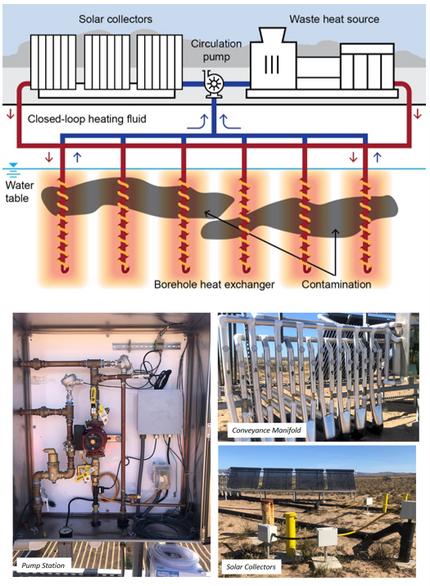
Figure 1. Components and layout of a TISR
® system
TISR® utilizes borehole heat exchangers (BHEs) to heat target treatment areas in the subsurface. This is achieved through a combination of solar collectors, which harness solar radiation as heat, and the utilization of other heat sources such as waste heat or hybrid heating with heat pumps. That heat is then transferred to the subsurface via a closed loop circulation system connected to the BHEs (Figure 1). By incorporating these additional heat sources, TISR® ensures a more robust and constant heat supply, enabling customization of the system to address specific site challenges and facilitate efficient heat transfer.
The heating of the subsurface through TISR® accelerates various processes such as biodegradation, abiotic reactions, and contaminant desorption and dissolution. The technology is also suitable for diverse hydrogeologic environments, including sites with low permeability zones, due to the relatively uniform thermal conductivity of geologic materials, which is unaffected by grain size[2]. This versatility allows TISR® to integrate with conventional remediation technologies, enhancing their performance.
One of the key advantages of TISR® is its ability to accelerate treatment processes while minimizing energy consumption. By harnessing renewable and sustainable energy sources such as solar radiation and effectively utilizing waste heat or hybrid heating with heat pumps, TISR® delivers an efficient, cost-effective remediation solution. Compatibility with multiple conventional remediation technologies makes it an effective option for addressing a variety of contamination challenges.
Scientific Principles
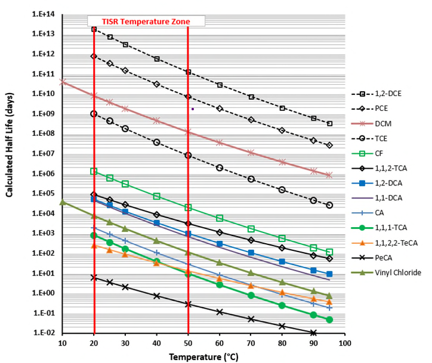
Figure 2: Effect of temperature on hydrolysis rates for VOCs
During the TISR® heating process, thermal conduction and advection play a crucial role in boosting physical, biological, and chemical processes within the treatment zones, leading to enhanced attenuation, degradation, and removal of contaminants from the subsurface[5][4]. TISR® systems are typically designed to enhance the biological activity and performance of other active technologies, such as air sparge/ soil vapor extraction (AS/SVE) or chemical oxidation, by increasing the subsurface temperature by approximately 10°C to 20°C. The target groundwater temperature is often set to reach up to about 35°C, which is the optimal temperature for promoting the activity of mesophilic microbial communities responsible for biodegradation of certain contaminants. In cases where the objective is to maximize abiotic hydrolysis mechanisms, such as for some chlorinated alkanes, TISR® systems can be designed to reach a final groundwater temperature of up to 60°C.
The effectiveness of TISR® in enhancing treatment performance has been demonstrated through several mechanisms, which are discussed below:
- Primary dechlorinating bacteria, such as Dehalococcoides and Dehalogenimonas, are known to be mesophilic. Therefore, increasing the temperature can significantly enhance microbial activity and biodegradation by multiple orders of magnitude[6].
- Reduced iron minerals, particularly iron sulfides, can participate in the abiotic degradation of chlorinated ethenes and other contaminants. The rates of these reactions generally depend on temperature, following the Arrhenius equation.
- Rates of other processes that often limit the pace of remediation, such as dissolution, desorption, and back diffusion, are positively correlated with temperature. This results in an enhanced bioavailability of contaminant mass that may otherwise be inaccessible.
These various mechanisms collectively contribute to the improved performance of other active treatments when temperature is moderately increased by utilization of TISR®.
Implementation and Practical Considerations
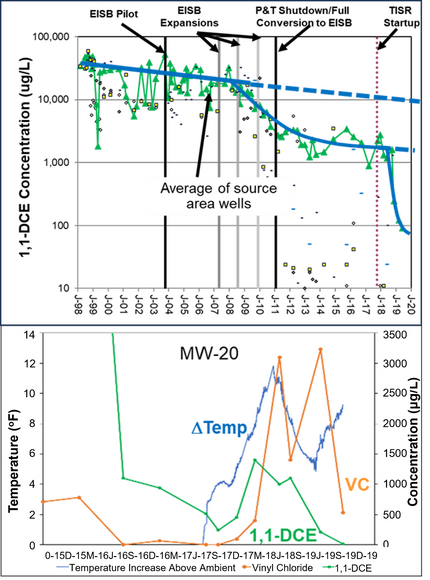
Figure 3: Transformation of 1,1-DCE and VC following installation of a TISR
® system
TISR® has proven successful in reducing contaminant concentrations across diverse hydrogeologic settings, including those with low and complex hydraulic conductivity conditions. Figure 3 shows a sharp initial decrease in 1,1-dichloroethene (1,1-DCE) concentrations due to enhanced biodegradation, and then a temporary small increase followed by subsequent decreases in 1,1-DCE concentrations to below detection limits, possibly the result of temperature-enhanced desorption or dissolution of 1,1-DCE from the aquifer. There is also a temporary increase and then decrease in the concentrations of vinyl chloride (VC) (a biodegradation product) to very low levels.
The TISR® system construction utilizes off-the-shelf modular components, promoting cost-efficiency, reusability, and a reduced carbon footprint. Waste heat can supplement or replace the solar setup, and remote monitoring through dashboard apps reduces operation and maintenance costs. TISR® projects typically achieve an average capital cost payback within 1 to 3 years due to accelerated rates of remediation.
When implementing TISR®, solar insolation and groundwater velocity must be considered for optimal equipment sizing and cycling. Depending on remedial goals and site history and conditions, the TISR® system and target temperatures may be designed to enhance specific remedial mechanisms (e.g. hydrolysis over bioremediation). Recently Ornelles et al.[3] developed an easy to use Excel-based model that can be used to optimize TISR® design and predict subsurface temperature changes over time. Frequent monitoring of the temperature and microbial community composition relative to targets is useful for evaluating treatment effectiveness and optimizing system performance. The system and target temperatures can be customized to enhance specific remedial mechanisms based on site conditions and goals.
Summary
TISR® is a cost-effective and adaptable technology that can be customized to address specific site challenges. It can be used as a standalone solution or be integrated with existing remediation strategies to enhance their effectiveness. TISR® is particularly effective in challenging hydrogeological conditions and can be optimized to suit specific treatment mechanisms. By shortening the active remediation timeframe, TISR® reduces lifecycle costs and minimizes the carbon footprint associated with the remediation process.
References
- ^ Divine, C., Munholland, J., Zardouzian, E., Justicia-Leon, S., Aspinall, J.V., Randhawa, D., Falta, R., Freedman, D., Becker, M., 2025. Thermal In Situ Sustainable Remediation to Enhance Biotic and Abiotic Reactions and Accelerate Remediation Timeframes, Final Report. Environmental Security Technology Certification Program (ESTCP), Project ER20-5028. Project Website Final Report.pdf
- ^ 2.0 2.1 Munholland, J, Rosso, D., Randhawa, D., Devine, C., Pennington, A., 2024. Advances in Low-Temperature Thermal Remediation. In: García-Rincón, J., Gatsios, E., Lenhard, R.J., Atekwana, E.A., Naidu, R. (eds), Advances in the Characterisation and Remediation of Sites Contaminated with Petroleum Hydrocarbons, Chapter 18 pp. 623-653. Environmental Contamination Remediation and Management series, Springer Nature. doi: 10.1007/978-3-031-34447-3_18 Open Access Chapter
- ^ 3.0 3.1 Ornelles, A.D., Falta, R.W., Divine, C.E., 2023. A Design Tool for Solar Thermal Remediation Using Borehole Heat Exchangers. Ground Water, 61(2), pp. 245-254. doi: 10.1111/gwat.13265 Free download from NGWA
- ^ 4.0 4.1 Horst, J., Flanders, C., Klemmer, M., Randhawa, D.S., Rosso, D., 2018. Low-Temperature Thermal Remediation: Gaining Traction as a Green Remedial Alternative. Groundwater Monitoring and Remediation, 38(3), pp. 18-27. doi: 10.1111/gwmr.12295
- ^ Dettmer, K., 2002. A Discussion of the Effects of Thermal Remediation Treatments on Microbial Degradation Processes. U.S. Environmental Protection Agency, Office of Solid Waste and Emergency Response, Technology Innovation Office, Washington, DC. free report free download from clu-in.org
- ^ Macbeth, T., Truex, M., Powell, T., Michalsen, M., 2012. Combining Low-Energy Electrical Resistance Heating with Biotic and Abiotic Reactions for Treatment of Chlorinated Solvent DNAPL Source Areas. Environmental Security Technology Certification Program (ESTCP) Project ER-200719 webpage free download Project Summary Presentation
- ^ Suthersan, S., Horst, J., Klemmer, M., Malone, D., 2012. Temperature-Activated Auto-Decomposition Reactions: An Under-Utilized In Situ Remediation Solution. Groundwater Monitoring and Remediation, 32(3), pp. 34-40. doi: 10.1111/j.1745-6592.2012.01407.x
- ^ Chen, F., Freedman, D.L., Falta, R.W., Murdoch, L.C., 2012. Henry's law constants of chlorinated solvents at elevated temperatures. Chemosphere, 86(2), pp.156-165. doi: 10.1016/j.chemosphere.2011.10.004
See Also
TISR® Explanation Video


